
Behind the Scenes: How a Finished Feed Reaches the Broadcaster
A senior camera operator follows a recording from the end of a shoot to the broadcaster's control room, and explains what the distribution team does with it along the way.
Priya Shah · · 5 min read
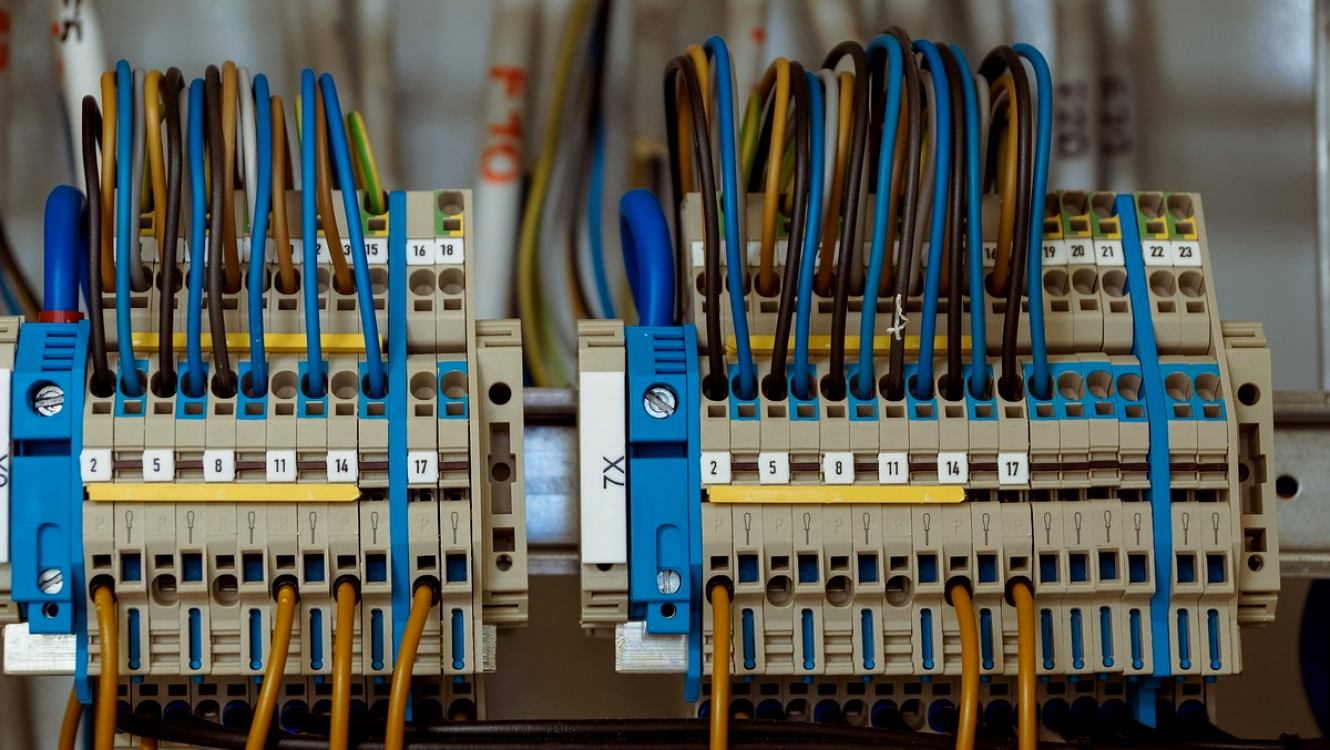
Where my part ends and distribution begins
Most of my working life is spent behind a camera, so for years I treated the end of a shoot as the end of the job. Once the last shot was logged and the cards were secured, I packed the kit and moved on. What I did not see was everything that happens afterwards, until I started staying late in the Shrewsbury office to watch how our distribution side works.
What I saw was a second craft, just as careful as camera work. The footage I had recorded becomes a finished feed that has to arrive at a named broadcaster, in a named format, at an agreed time. Tom Eccleston coordinates that stage, and he begins his day by reading the delivery notes attached to each job, not by opening any equipment.
The delivery sheet comes before the signal
Every delivery starts with a short written sheet. It records who is receiving the feed, which route has been agreed, the technical format, the time the broadcaster expects it and who to ring if something goes wrong. Tom completes it with the client at the quotation stage, long before anyone is on location.
I used to think this was admin. Having watched a late hand-off go wrong elsewhere, I now see it as the most useful page in the whole job. A control room at a broadcaster is working to its own running order. If a feed arrives in the wrong format or ten minutes late, nobody there has time to sort it out, and the item simply does not run.
- Receiving broadcaster and named contact
- Agreed route and a fallback route
- Format, frame rate and audio layout
- Delivery time and a point of contact on the day
Choosing between satellite, fibre and secure transfer
We deliver by satellite, by fibre or by secure internet transfer, and the choice is made job by job. Live material from a remote field usually needs satellite, because there may be no fixed line within miles. A venue with a proper circuit can send over fibre, which is steady and predictable. Finished recordings that are not time critical can go by secure transfer.
Tom is careful not to treat any route as the default. He asks what the broadcaster can actually receive, how long the material is and how much margin there is before air. A short news insert with an hour to spare can travel a different way from a full evening of concert coverage that the programme team needs by early morning.
Checks before anything is sent
Before a feed leaves us, someone watches it from start to finish. This is not a glance at the opening seconds. Tom or a colleague plays the material against the delivery sheet, listening for dropped audio, checking timecode and looking for black frames or a frozen picture that the monitor on location did not show.
I have been on the receiving end of this check and it can be humbling. A small focus slip I thought nobody would notice was flagged, and we agreed with the producer whether another take existed. Catching that in our own office costs a phone call. Catching it after the broadcaster has taken the file costs a good deal more, in time and in trust.
The hand-off to the broadcaster's control room
The technical hand-off is a short conversation, and it matters more than people expect. Tom rings the control room, confirms the feed is on its way, agrees how they will tell us it has arrived cleanly and notes the name of the person who took the call. If anything looks wrong at their end, we hear about it straight away rather than from a missed slot.
Afterwards he keeps the delivery record: when the feed left, when it was confirmed, and any comment from the receiving side. Those notes feed back to the crew. When Daniel Okafor and I plan the next shoot for the same client, we already know what that control room prefers and which hiccups to avoid.
- Call to the control room before sending
- Confirmation of clean receipt
- Delivery record kept for the next job
What a camera operator takes from it
Watching distribution has changed how I work on location. I now label cards clearly, note the shots a producer is likely to want first and flag anything unusual in my report, such as wind noise on a particular clip. These small habits save Tom time when he is preparing a feed against a deadline.
It also made me more patient with my own work. A good shot only matters once it has reached the people who need it, in a form they can use. Distribution is where that finally happens, and it deserves the same attention as the camera, even if far fewer people ever see it being done.
The delivery of a finished feed is quiet, methodical work: a written sheet, a sensible route, a full check and a clear conversation with the receiving control room. None of it is dramatic, which is exactly the point. When it goes well, the broadcaster simply gets what was promised, on time, and the shoot we spent days preparing can do its job on air.
More from the newsroom
Before You Book Multi-Camera Coverage: A Planning Checklist
A checklist from our senior camera operator for producers weighing up switched multi-camera coverage of a stage or large event, covering venue, crew, signal path and delivery.
Four cameras, one stage and a village hall: Marcus's autumn concert
Marcus runs a small arts trust and needed a charity concert switched live for a regional programme. This is how the multi-camera feed was planned, cut and handed over.
What Producers Ask Us Most About Multi-Camera Event Feeds
One question comes up on almost every enquiry: what do we actually need to send you, and what do we get back? Here are the plain answers on switched coverage of stages and large events.