
The Kit and Methods Behind Our Switched Multi-Camera Coverage
A look at the cameras, cabling, switching and checks we rely on when covering a stage or large event, and why each choice is made for the broadcaster at the other end.
Helen Marsh · · 6 min read
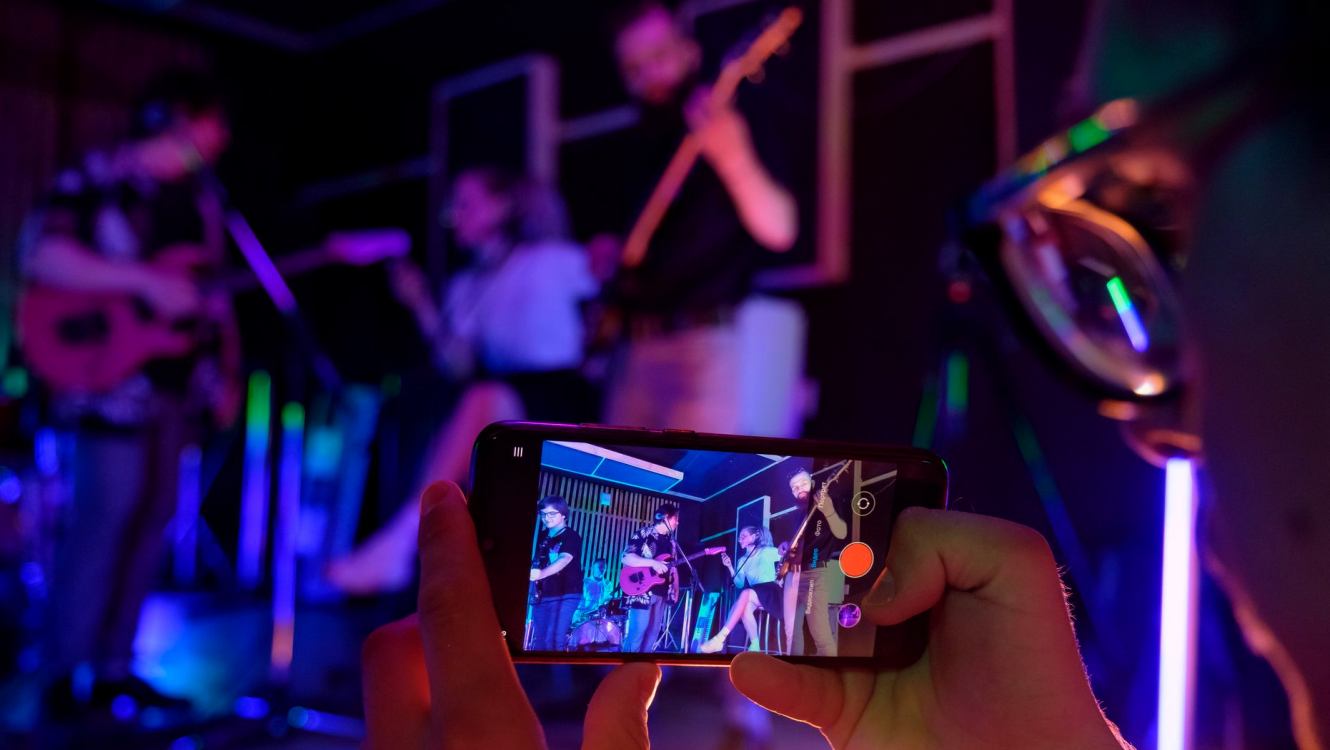
Why the method matters more than the model number
When a producer asks what we shoot a stage with, the honest answer is that the camera body matters less than the way the whole chain is put together. A switched multi-camera feed is only as dependable as its weakest cable, its least rehearsed operator and its least checked return path. Over the years we have settled on a small set of methods that we repeat on every job, because repetition is what keeps a long evening of live coverage uneventful.
In mid autumn the pattern is familiar: earlier dark, indoor venues filling up, outdoor stages working against weather and fading light. These conditions test equipment choices more than a bright summer afternoon does, so this is a good moment to explain what we rely on and why, in plain terms, for anyone who commissions coverage or has to sign off a technical plan.
We do not chase novelty. Gear earns its place on our kit list by behaving the same way on the fortieth job as on the first, and by being easy for a crew to diagnose when something goes wrong at the worst moment.
Cameras chosen for the room, not the brochure
We match each camera position to a job. A wide locked-off shot of the whole stage gives the director a safe cutaway at any moment, and it needs a sturdy tripod head and a lens that holds focus without attention. Handheld positions near the front need lighter bodies and operators who can read a performance and anticipate where it is going next.
Low-light behaviour is the first question we ask about any venue. Many stages are lit for the audience in the room rather than for lenses, with deep reds and fast-changing colour that can clip or smear. We check the lighting plan in advance where we can, and we set exposure and colour on the day against the real rig rather than trusting default settings.
Every operator carries the same small kit of spare batteries, lens cloths, cable ties and tape. It sounds minor, but a matched kit means anyone on the crew can fix a neighbour's problem without hunting for the right part.
- Locked-off wide shot as a permanent safe option
- Handheld positions kept to experienced operators
- Exposure and colour set against the actual lighting rig
Cabling and the discipline of labelling
Most failures at live events are not dramatic. They are a loose connector, a trodden cable or a run that was never tested end to end. We therefore treat cabling as a craft in its own right. Runs are laid along planned routes, kept clear of power cables where possible, covered in public areas, and labelled at both ends with the camera position they serve.
Labelling feels fussy until the moment something drops. Then it turns a ten minute search into a thirty second swap. We label cables, boxes and patch points using one scheme, so a coordinator who has never seen the venue can follow the chain from lens to switcher by reading the tags alone.
Wherever the venue allows, we run a spare path for the positions that matter most. A second cable to the main wide camera costs little in time and can save a whole broadcast, so it is one of the first extras we plan for.
Switching, comms and the people at the desk
The switching desk is where the separate cameras become a programme. Our directors work from a shot plan agreed beforehand with the producer: which positions carry the opening, which songs or speakers need close coverage, and where the cutaways come from. The plan is a guide, not a script, but it means the director is never improvising the basics.
Talkback is the quiet backbone of the whole job. Every operator hears the director and can answer briefly, and we keep the chatter short and in a fixed order, so instructions are never lost under noise. A calm voice on comms does more to protect a feed than any piece of hardware.
Alongside the main programme output we record isolated camera feeds where the brief allows. That gives the broadcaster material to reshape afterwards and gives us a safety copy if the live path is interrupted.
- Shot plan agreed with the producer in advance
- Short, ordered talkback between director and operators
- Isolated recordings kept as a safety copy
Monitoring the feed before it leaves the venue
Before the feed goes anywhere, we look at it critically on a calibrated monitor and watch the levels. Picture is checked for clipping, focus and framing; audio is checked for the right channels, sensible levels and the absence of hum or dropouts. This last look is separate from the director's view, because the person cutting the show is rarely the best person to spot a technical fault.
Our signal operations lead keeps an eye on the outgoing path and confirms with the receiving control room that what leaves is what arrives. Where a broadcaster supplies specific format and timing requirements, we test against them well before doors open, not during the first number.
Where time allows we do a short rehearsal of the full chain with the venue empty. Twenty minutes spent proving every position and every route is the cheapest insurance we know.
What we leave out on purpose
Part of any method is what you decline to do. We avoid piling on camera positions that the director cannot realistically use, because every extra feed adds cabling, an operator and a point of failure. A tidy plan with six positions that each earn their place beats a crowded one with twelve.
We also avoid last minute changes to the technical chain once the venue is open. If a producer wants a new position, we will weigh it honestly and say what it would cost in time and risk, and sometimes the answer is to add it for the next show instead.
Finally, we do not promise outcomes the venue cannot support. If a room has poor sightlines or unreliable power, we say so early and propose a workable plan, rather than discovering the problem on the night.
The reliability of a switched multi-camera feed comes from ordinary habits done every time: cameras matched to the room, cables labelled and backed up, a clear shot plan, calm comms and a last critical look before the signal leaves the venue. None of it is glamorous, and that is rather the point. If you are planning coverage of a stage or large event, ask any provider how they work, not only what they own.
More from the newsroom
Getting a Finished Feed to the Broadcaster: A Practical Delivery Guide
A step-by-step look at choosing between satellite, fibre and secure internet transfer, and what to settle with the receiving control room before the feed leaves the venue.
How we hand finished feeds over to broadcaster control rooms
A look at the delivery stage of Content Distribution: how a finished feed leaves our hands by satellite, fibre or secure internet transfer, and what a control room expects to receive.