
How we hand finished feeds over to broadcaster control rooms
A look at the delivery stage of Content Distribution: how a finished feed leaves our hands by satellite, fibre or secure internet transfer, and what a control room expects to receive.
Helen Marsh · · 5 min read
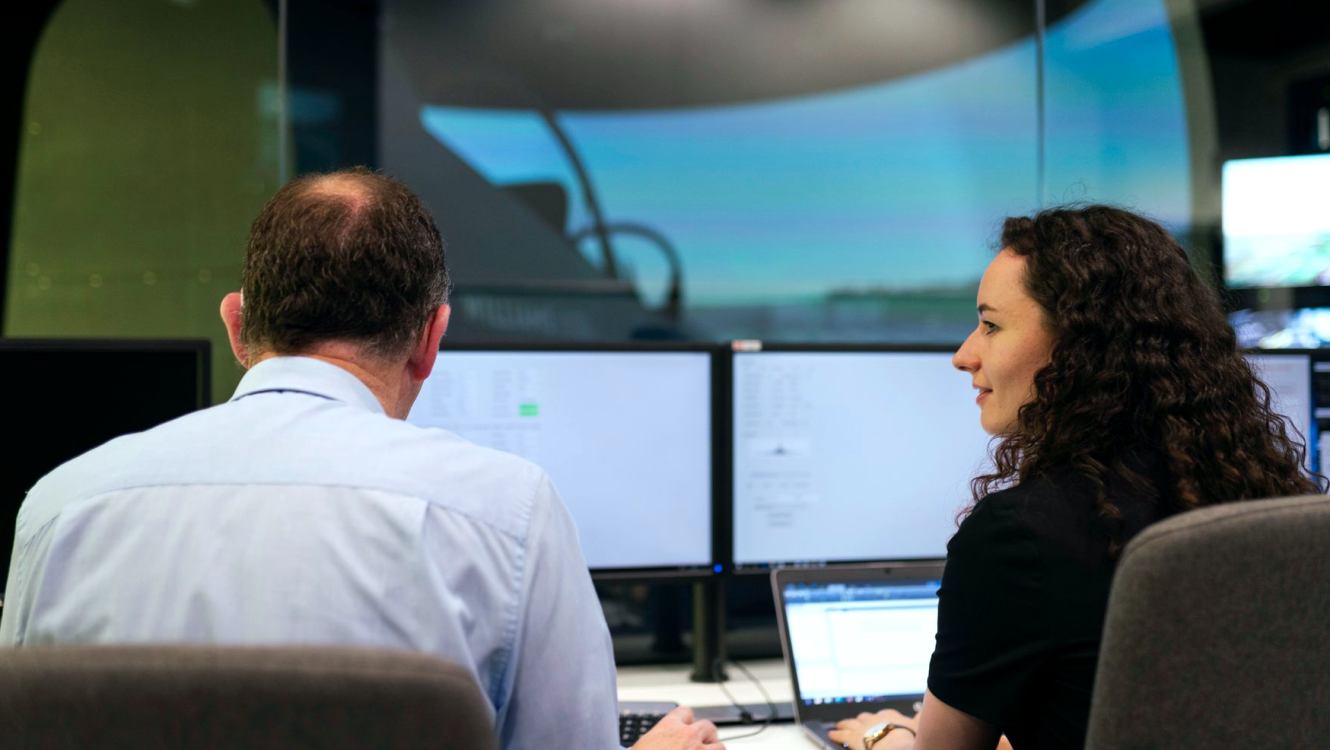
Where our work ends and the broadcaster's begins
Content Distribution is the last stage of a shoot, and in many ways the most exposed one. Cameras can be re-pointed and a take can be repeated, but a feed that fails on its way to the broadcaster usually cannot be recovered. For that reason we treat the hand-off as a piece of work in its own right, with its own preparation, its own checks and its own named person.
Tom Eccleston, our Distribution Coordinator, owns that stage. He agrees the route with the broadcaster's control room before anything is shot, confirms who will be at the other end and fixes the time at which the link is tested. This page explains what that agreement contains and why we ask for it early, in the weeks when autumn schedules fill and control rooms get busy.
Three routes: satellite, fibre and secure internet transfer
We deliver finished feeds by satellite, by fibre or by secure internet transfer, and the choice is made per job, not by habit. Satellite suits a remote location with no reliable ground connection, provided the booking of capacity is made with enough notice. Fibre gives a dependable, low-delay path where a venue already has a circuit or one can be arranged in time.
Secure internet transfer is the most flexible of the three and is often the right answer for recorded material, rapid-turnaround clips and bulletins that do not need a continuous live path. It depends on the upload speed available at the location, so we measure that on a site visit or ask the venue for figures rather than assuming them. Where a live programme depends on the link, we say plainly if one route alone is not enough.
- Satellite: remote sites, booked capacity, longer lead time
- Fibre: stable path where a circuit exists or can be installed
- Secure internet transfer: recorded material and fast clips
What a control room needs from us before the day
Control rooms work from specifications, and a feed that does not match them is rejected or needs correcting under time pressure. Before a job we ask the broadcaster for the format and frame rate they take, the audio arrangement, how they want the feed labelled and the contact who will confirm receipt. We write these down in one short delivery sheet and send it back for confirmation.
This is a small piece of paperwork, but it removes most of the surprises. It also tells our crew what to expect on the day, so the camera team, the signal engineers and the distribution desk are all working to the same description. If the broadcaster changes a requirement late, the sheet shows what was agreed and what has moved, which keeps the conversation calm and specific.
Testing the path in the hours before transmission
A route that worked last month is not evidence that it will work now, so we test on the day. Once the equipment is rigged, we send a known test signal along the chosen path and ask the control room to confirm picture, sound and timing at their end. Any difference is traced while there is still time to change something.
Daniel Okafor's signal operations team supports this stage, watching levels and monitoring the outgoing feed so that problems are seen at our end before the broadcaster sees them. Where the job allows, we keep a second path ready, such as a fallback internet transfer behind a fibre link. We describe that option in the quotation so that nobody is surprised by it later.
- Test signal sent and confirmed by the control room
- Picture, sound and timing checked at the receiving end
- Fallback path named in the quotation where one is sensible
Handing over, confirming and keeping a record
When transmission ends, the work is not finished until the broadcaster confirms they have what they need. For recorded material, Tom checks that the files have arrived complete and playable and that the labelling matches the delivery sheet. For live feeds, he notes the times at which the link opened and closed and any interruption that occurred.
We keep this record with the job and share it with the client on request. It is useful when a programme team wants to know exactly what was sent and when, and it helps us improve the next delivery. Files held on our side are removed after the agreed period, and we discuss that period with each client before the job rather than after it.
How to raise a delivery with us
If you are planning coverage and want it delivered to a broadcaster, tell us at the first conversation where the feed has to arrive, in what format and by what time. That is enough for us to propose a route and give a written quotation. You do not need to have chosen between satellite, fibre and internet transfer in advance.
The most helpful thing you can send is the name of the receiving control room's contact and any technical specification they have issued. From there we arrange the delivery sheet, the tests and the hand-off. Enquiries come through the contact page, and Helen Marsh or Tom will reply with questions and a plan, not a form letter.
A feed is only useful once it has arrived intact, so we plan the hand-off before the cameras roll. Agree the route and the specification early, test the path on the day, and confirm receipt with the control room. That order of work is how Content Distribution stays uneventful, which is exactly what a broadcaster wants from it.
More from the newsroom
Live Signal Management: A Checklist Before You Decide
Before you commit to a live signal provider, work through these questions on routing, monitoring, backup paths and hand-offs so the feed stays stable from venue to studio.
Five Mistakes That Slow Down a Live Insert for the News
Most failed live inserts trace back to a handful of avoidable errors made before the camera goes on. Tom Eccleston walks through five common ones and what to do instead.