
How to Brief a Camera Crew Before a Location Shoot
A practical guide from a senior camera operator on what to send a crew ahead of a news, concert or festival shoot, so the day starts with answers rather than questions.
Priya Shah · · 6 min read
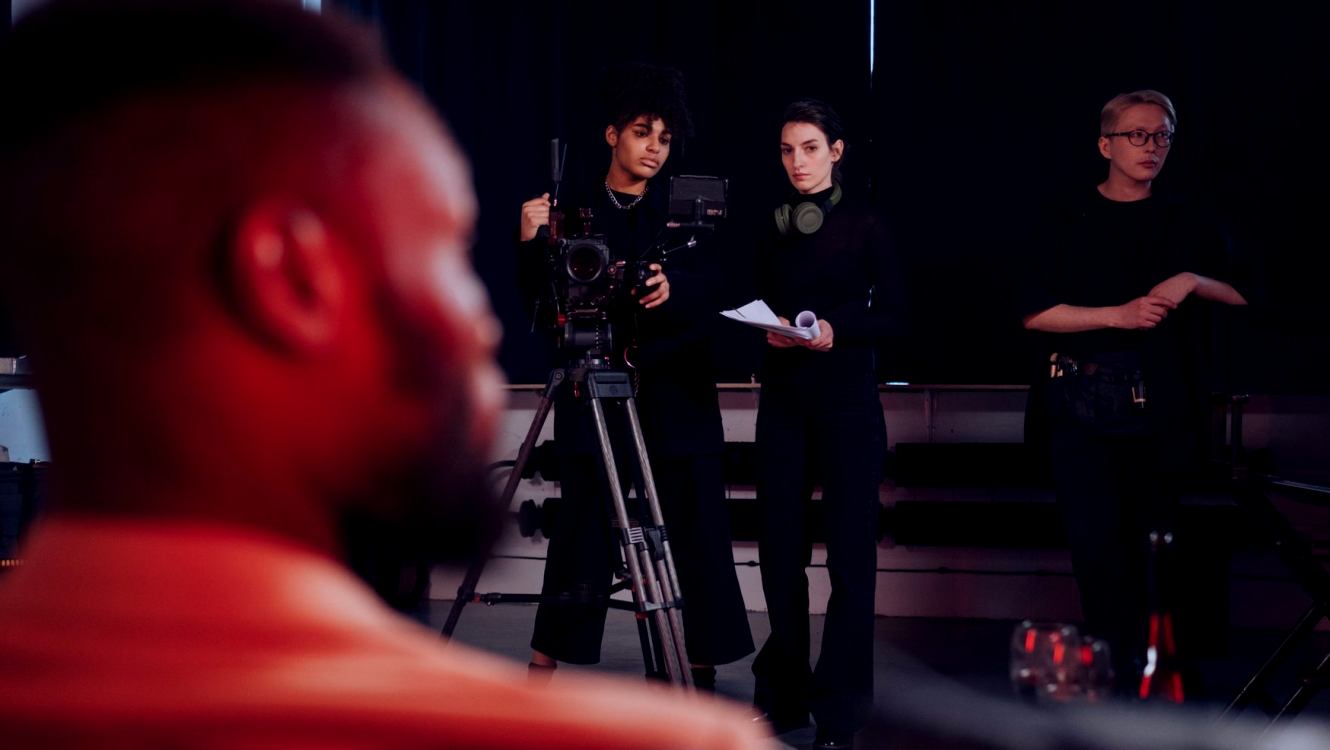
Start with what the picture is for
Before anything else, tell the crew where the footage is going. A package cut for a regional news bulletin needs different framing, pace and cover than a live insert, and a concert feed for a television programme asks for something different again. When I arrive without that answer, I have to guess, and guessing costs time on the day.
Write two or three plain sentences: the programme or slot, whether the material is live or recorded, and who will edit or switch it. If the producer has a particular look in mind, say so. A line such as 'steady wide shots, no handheld drift' saves a long conversation at the venue.
Mention the running order too, even in rough form. Knowing that the interview comes before the performance, or that the speech may overrun, lets me place the camera and plan batteries and media around the real sequence of the day.
- Destination programme or slot
- Live or recorded
- Who edits or switches the material
- Preferred look in one line
Give the crew the place, not just the address
A postcode gets us to the gate. It does not tell us where to park a vehicle, where power is, or whether a long lens has a clear line to the stage. If you have visited the site, send a few phone photographs and a rough sketch of the area we will be working in.
Name a single contact on site who can open doors and answer questions, and give their mobile number. In my experience most delays at festivals and public events come from not knowing who holds the access list, not from anything technical.
Tell us about restrictions as well: areas where filming is not permitted, hours when loading is allowed, and any rules from the venue or local authority. We would rather plan round these in advance than discover them while carrying kit across a field.
- One named on-site contact with a mobile number
- Photos or a sketch of the working area
- Access, parking and loading times
- Filming restrictions set by the venue
Settle the technical delivery early
Camera work ends up in a format, and that format should be agreed before the shoot, not after it. Confirm the frame rate, resolution and any file naming the receiving broadcaster expects. If the material goes straight into a live signal chain, we need to know that, because the colour and levels we set will be judged on a monitor in a control room we cannot see.
If audio matters, say what is wanted: ambient sound only, a feed from the venue desk, or a reporter on a microphone. These are separate jobs, and the second usually needs a conversation with the venue's sound engineer, which is easier to arrange the day before than on the morning.
Ask for a named technical contact at the receiving end. When a question comes up mid-shoot, a quick call to the right person settles it in a minute.
- Frame rate and resolution
- Audio source and who arranges it
- Recorded files or a live feed
- Technical contact at the broadcaster
Be honest about timings and what might move
Autumn light is a real factor. In these weeks the afternoon fades early, and an outdoor shoot that looks comfortable at midday can lose usable daylight by mid-afternoon. Tell us when the key moments happen, and which of them cannot be repeated, so we can place the main camera for those and treat everything else as cover.
Say plainly what is fixed and what is likely to shift. A speaker who tends to run late, a headline act with no firm time, a weather window that may close: none of this is a problem if we know, and all of it is a problem if we find out at the moment it happens.
A crew works best with a short list of must-have shots, ranked. If only three things can go right, we should all agree what they are.
Plan for weather, power and the unglamorous basics
Cold and damp are hard on equipment and on people. Ask the crew what they need, and expect sensible requests: covered space for the kit, somewhere to warm up between takes, access to a power point if the shoot is long. Battery life shortens in low temperatures, so a longer day outdoors means more spares, and we will plan for that if we know the hours.
If the shoot is a live event, ask about the venue's own contingency: what happens if the stage is moved indoors, or a set is cancelled. The answer changes where we stand and what we carry.
Finally, agree a way of reaching each other during the day. A group message with the producer, the venue contact and the crew lead is usually enough, as long as someone is watching it.
A short brief you can copy
Here is the shape of a brief that gives a crew almost everything it needs, in under a page. Open with the purpose and destination, then the date, call time and finish time. Add the venue, the on-site contact and any access notes, followed by the delivery format and audio arrangement.
Close with the ranked shots, the known risks and who to call. You do not need to write well, only clearly. A producer who sends a plain page like this gets a crew that arrives knowing what the day is for, and that makes the difference between a calm shoot and an anxious one.
When a brief is late or thin, we ask questions, and we would rather ask them a few days ahead than discover the gaps on the morning. Sending the page early is the single most useful thing a client can do.
A good brief is short, specific and sent early. Say what the footage is for, describe the place, agree the delivery format, flag what may change and name who to call. None of this needs technical language, only the details you already know. Give a camera crew those and it can spend the day on the pictures, not on finding things out.
More from the newsroom
Four cameras, one stage and a village hall: Marcus's autumn concert
Marcus runs a small arts trust and needed a charity concert switched live for a regional programme. This is how the multi-camera feed was planned, cut and handed over.
Return Feed, Talkback and Cue: Three Live Signal Terms Explained
A plain-words guide to three terms heard in every control room, return feed, talkback and cue, and why each one matters when a live signal travels from venue to studio.
Behind the Scenes: How a Finished Feed Reaches the Broadcaster
A senior camera operator follows a recording from the end of a shoot to the broadcaster's control room, and explains what the distribution team does with it along the way.