
What Content Distribution Costs and What Moves the Price
A plain look at how delivery of a finished feed is priced, from satellite booking to fibre and secure internet transfer, and which details change a quotation.
Tom Eccleston · · 5 min read
Why distribution is priced separately
Most producers first ask what it costs to film an event, and only later ask how the pictures will reach the gallery. Delivery is a separate piece of work with its own equipment, bookings and people, so we quote it as a line of its own. That keeps the figures easy to read and lets you see where the money goes.
As the distribution coordinator I put the quotations together with Helen, and the same questions come up every time. Where is the programme being made, how many destinations need the feed, and how firm is the transmission time? A feed sent once to one control room is a very different job from a feed split to several broadcasters. The cost follows that difference, not the length of the footage.
The three routes and how they compare
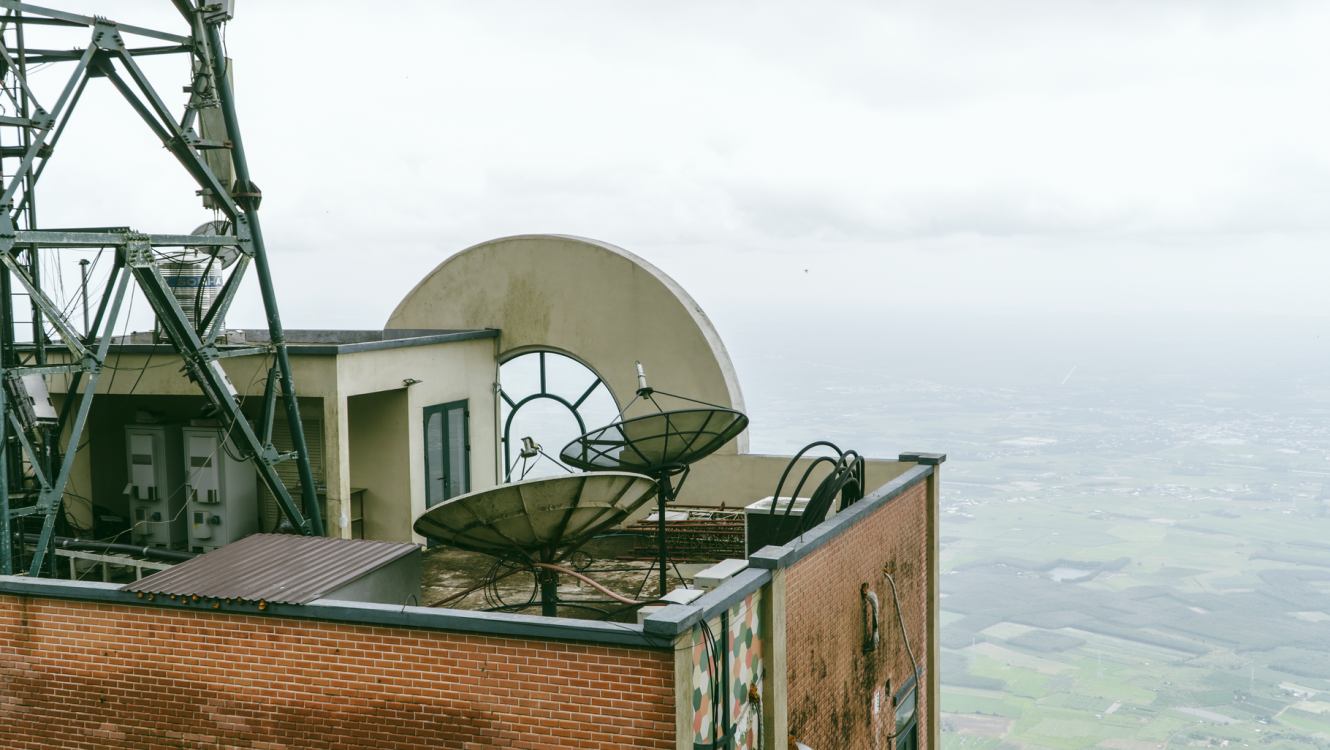
We deliver finished feeds by satellite, by fibre or by secure internet transfer. Satellite suits live material and venues where no fixed line exists, but it involves booked capacity for a stated window and usually a truck or portable dish on site. Fibre gives a stable, low-delay link between two known points and is priced around circuit provision and the hours it is live.
Secure internet transfer is the most economical route and works well for recorded items, packages and files that do not have to arrive within seconds. It carries less booking overhead, though we still check each delivery with the receiving team. Choosing the lightest route that truly meets your deadline is usually the single biggest saving available.
- Satellite: booked capacity, uplink equipment, on-site setup
- Fibre: circuit provision and live hours
- Secure internet transfer: lowest cost, best for recorded items
What drives the price up or down
Several details move a quotation more than people expect. The number of delivery points matters, since each broadcaster has its own specification and its own test. The duration of the live window matters too, because booked capacity is charged for the time reserved, not only the minutes in use.
Location is the other large factor. A venue with fibre already in the building is straightforward, while a field or a remote hall may need a satellite truck and a longer day for the crew. Format and file requirements, tight turnaround and out of hours transmission can each add time. None of this is unusual, and we explain every line in writing.
- Number of destinations and their technical specifications
- Length of the booked live window
- Venue connectivity and travel distance
- Out of hours or short notice delivery
What a quotation normally includes
A written quotation names the route, the transmission window, the equipment and the people involved, and says what is not covered. It sets out the technical hand-off with each receiving control room, including a test before the live window opens so that problems appear while there is still time to fix them.
What changes the figure after quotation is a change to the plan: an extra destination, a longer window or a move of venue. We would rather agree those changes in writing than absorb them quietly, so the invoice always matches what was confirmed. Payment is by bank transfer once the work is confirmed, and cancellations follow our payment and refund policy.
Ways to keep the cost sensible
Tell us the real deadline early. If a package is needed by the evening bulletin rather than the minute it is cut, a secure transfer may do the job and a satellite booking becomes unnecessary. If several programmes want the same pictures, a single delivery point with onward sharing can cost less than separate feeds.
It also helps to send the receiving broadcaster's technical sheet with your enquiry. Specifications such as format, frame rate and audio layout are cheap to settle at the start and expensive to correct on the day. A short call with me before a quotation is drawn up often shortens the whole process.
- Share the true deadline, not the earliest wish
- Send the receiving broadcaster's technical sheet
- Ask whether one delivery point can serve several programmes
Asking for a figure
Prices depend on the details above, so we do not publish a single number for distribution on this page. The Prices page lists what each service costs and what is included, and you can use it as a starting reference for the order of magnitude.
For a figure fitted to your programme, send an enquiry through the contact page with the venue, the date, the destinations and any technical sheets. We reply with a written quotation, and nothing is charged until you have confirmed it. If your plans are still loose, say so, and I will tell you which decisions will affect the cost most.
Distribution is priced by route, window, destinations and location, and the cheapest sound option is often the one that matches your real deadline. Bring the technical sheets, the venue and the timings to your enquiry and we will set them out line by line. If anything is unclear in a quotation, ask me and I will explain it before you decide.
More from the newsroom
Getting a Finished Feed to the Broadcaster: A Practical Delivery Guide
A step-by-step look at choosing between satellite, fibre and secure internet transfer, and what to settle with the receiving control room before the feed leaves the venue.
Six Mistakes That Cost Time on an On-Location Camera Shoot
Most problems on a location shoot start days before the cameras roll. Helen Marsh sets out six common mistakes we see with on-location crews, and the simple habits that prevent them.
Five Mistakes That Slow Down a Live Insert for the News
Most failed live inserts trace back to a handful of avoidable errors made before the camera goes on. Tom Eccleston walks through five common ones and what to do instead.